
Coldcard Hack: Over $111 Million in Bitcoin Stolen – Victims Lose an Entire Coin on Average
Team Coinnachrichten··📖 5 min read·Coldcard hackBitcoin thefthardware walletsecurity vulnerabilitycrypto nightmareBitcoin lossColdcard firmware
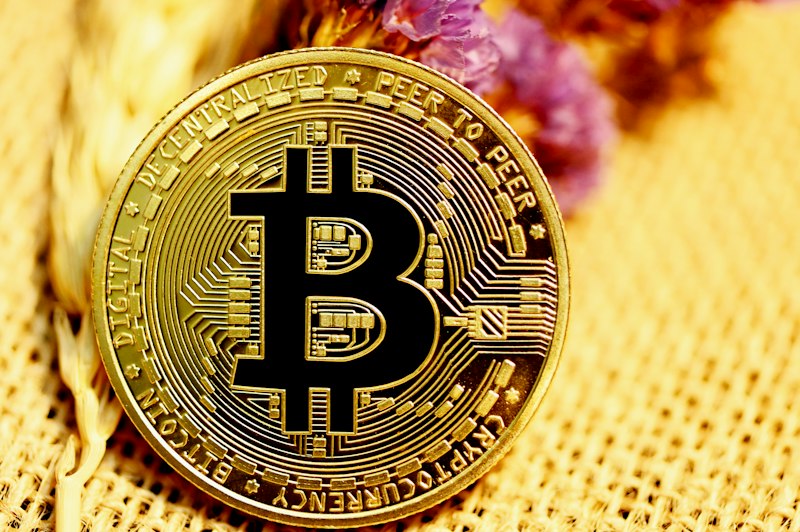
What a headline. Once again, it shows how quickly even the supposedly most secure systems can be cracked. This time, Coldcard, one of the most popular hardware wallets for Bitcoin, was hit. Over $111 million – that’s no small change but a full-blown crypto nightmare for more than a hundred victims. And the worst part? The actual figures could be even higher, possibly exceeding $130 million. On average, each affected person lost an entire Bitcoin. A hefty loss, especially considering how much effort, time, and sometimes even heart and soul went into these investments.
### **How the Hell Could This Happen?**
Things get even creepier when you look at the details. The attackers exploited a **completely new security vulnerability** in the Coldcard firmware – something no one had anticipated. Now, of course, the question arises: How could this happen? The answer is as simple as it is frustrating: Even the best security measures have gaps, and when someone exploits them deliberately, it becomes dangerous.
Some victims reported that they had installed an official update shortly before the theft. Sounds trustworthy at first, right? But this could have been the hackers’ trick. Maybe they distributed **fake updates** that carried out their malicious activities in the background. Others claim they downloaded **compromised software** – who checks the code every single time before installing it?
### **Who Is Particularly Affected?**
The worst part: It’s not just the big players who fell victim here. The average victim lost about **one Bitcoin** – not millions, but what an average investor might accumulate. Many used Coldcard precisely for this: to store their Bitcoin securely offline. And yet, they were tricked. Some report they noticed **nothing unusual** until it was too late. Others saw strange transactions shortly after installing what they thought was a security update.
This once again highlights how brazen these attacks have become. The perpetrators know exactly how to cover their tracks – whether through phishing, manipulated updates, or simply by exploiting trust.
### **Coldcard Responds – But Is It Enough?**
Coinkite, the company behind Coldcard, has, of course, issued a statement. They are working with cybersecurity experts and authorities to identify the cause and help the victims. Sounds good, right? Yes, but many users remain skeptical. After all, the hack was made possible by an **official update** in the first place. How do we know the new firmware is really safe? And why did it take so long for the warning to come out?
### **Who’s Behind It? And What Happened to the Money?**
Investigators are feverishly searching for the perpetrators. Initial blockchain analyses show that the stolen Bitcoin was laundered through **mixers and tumblers** – classic methods to obscure their origin. But perhaps there are still traces. Experts suspect that a **highly organized group** could be behind the attack, possibly even with ties to ransomware gangs or darknet markets. So far, however, there’s no concrete evidence.
### **What Does This Mean for the Future?**
The hack raises a huge question: **Are hardware wallets really still secure?** Sure, they’re considered one of the best methods for storing Bitcoin offline. But if even they can be hacked, perhaps we need to look for alternatives. Some demand stricter regulations, while others swear by **multi-signature wallets** or cold staking. The debate is in full swing, and this incident will certainly fuel it further.
### **What Can Victims Do Now?**
For those affected, the situation is more than frustrating. Some are pursuing legal action against Coinkite, while others are trying to track down their Bitcoin through tracing services. Experts urgently advise:
1. **Check all devices for malware** – not just the wallet but also other computers or phones.
2. **Review your transaction histories** – there may be undetected thefts.
3. **File a police report** – even if the chances of recovery are slim, it’s important to document the incident.
4. **Consider alternatives** – maybe a **paper wallet** or a **multi-sig solution** is the better choice for the future.
### **A Wake-Up Call for the Entire Crypto Community**
In the end, this incident once again shows that **no system is unbreakable.** Even the best security measures can be circumvented if someone is clever and ruthless enough. For us as a community, this means: **We must be more vigilant than ever.** Regular updates, caution with downloads, and above all – **distrust anything that seems too good to be true.**
The Coldcard hack is a wake-up call. It reminds us that security is not a state but a process. And we must actively shape it. The stolen Bitcoin will likely only be recovered in rare cases – but perhaps this incident will help save more lives in the future. Or at least more Bitcoin.
### **How the Hell Could This Happen?**
Things get even creepier when you look at the details. The attackers exploited a **completely new security vulnerability** in the Coldcard firmware – something no one had anticipated. Now, of course, the question arises: How could this happen? The answer is as simple as it is frustrating: Even the best security measures have gaps, and when someone exploits them deliberately, it becomes dangerous.
Some victims reported that they had installed an official update shortly before the theft. Sounds trustworthy at first, right? But this could have been the hackers’ trick. Maybe they distributed **fake updates** that carried out their malicious activities in the background. Others claim they downloaded **compromised software** – who checks the code every single time before installing it?
### **Who Is Particularly Affected?**
The worst part: It’s not just the big players who fell victim here. The average victim lost about **one Bitcoin** – not millions, but what an average investor might accumulate. Many used Coldcard precisely for this: to store their Bitcoin securely offline. And yet, they were tricked. Some report they noticed **nothing unusual** until it was too late. Others saw strange transactions shortly after installing what they thought was a security update.
This once again highlights how brazen these attacks have become. The perpetrators know exactly how to cover their tracks – whether through phishing, manipulated updates, or simply by exploiting trust.
### **Coldcard Responds – But Is It Enough?**
Coinkite, the company behind Coldcard, has, of course, issued a statement. They are working with cybersecurity experts and authorities to identify the cause and help the victims. Sounds good, right? Yes, but many users remain skeptical. After all, the hack was made possible by an **official update** in the first place. How do we know the new firmware is really safe? And why did it take so long for the warning to come out?
### **Who’s Behind It? And What Happened to the Money?**
Investigators are feverishly searching for the perpetrators. Initial blockchain analyses show that the stolen Bitcoin was laundered through **mixers and tumblers** – classic methods to obscure their origin. But perhaps there are still traces. Experts suspect that a **highly organized group** could be behind the attack, possibly even with ties to ransomware gangs or darknet markets. So far, however, there’s no concrete evidence.
### **What Does This Mean for the Future?**
The hack raises a huge question: **Are hardware wallets really still secure?** Sure, they’re considered one of the best methods for storing Bitcoin offline. But if even they can be hacked, perhaps we need to look for alternatives. Some demand stricter regulations, while others swear by **multi-signature wallets** or cold staking. The debate is in full swing, and this incident will certainly fuel it further.
### **What Can Victims Do Now?**
For those affected, the situation is more than frustrating. Some are pursuing legal action against Coinkite, while others are trying to track down their Bitcoin through tracing services. Experts urgently advise:
1. **Check all devices for malware** – not just the wallet but also other computers or phones.
2. **Review your transaction histories** – there may be undetected thefts.
3. **File a police report** – even if the chances of recovery are slim, it’s important to document the incident.
4. **Consider alternatives** – maybe a **paper wallet** or a **multi-sig solution** is the better choice for the future.
### **A Wake-Up Call for the Entire Crypto Community**
In the end, this incident once again shows that **no system is unbreakable.** Even the best security measures can be circumvented if someone is clever and ruthless enough. For us as a community, this means: **We must be more vigilant than ever.** Regular updates, caution with downloads, and above all – **distrust anything that seems too good to be true.**
The Coldcard hack is a wake-up call. It reminds us that security is not a state but a process. And we must actively shape it. The stolen Bitcoin will likely only be recovered in rare cases – but perhaps this incident will help save more lives in the future. Or at least more Bitcoin.
💳 Get Revolut – Banking, Crypto & more
Get €10 when you sign up. Available in 30+ countries worldwide.
Open Revolut account →💬 Comments (0)
No comments yet.